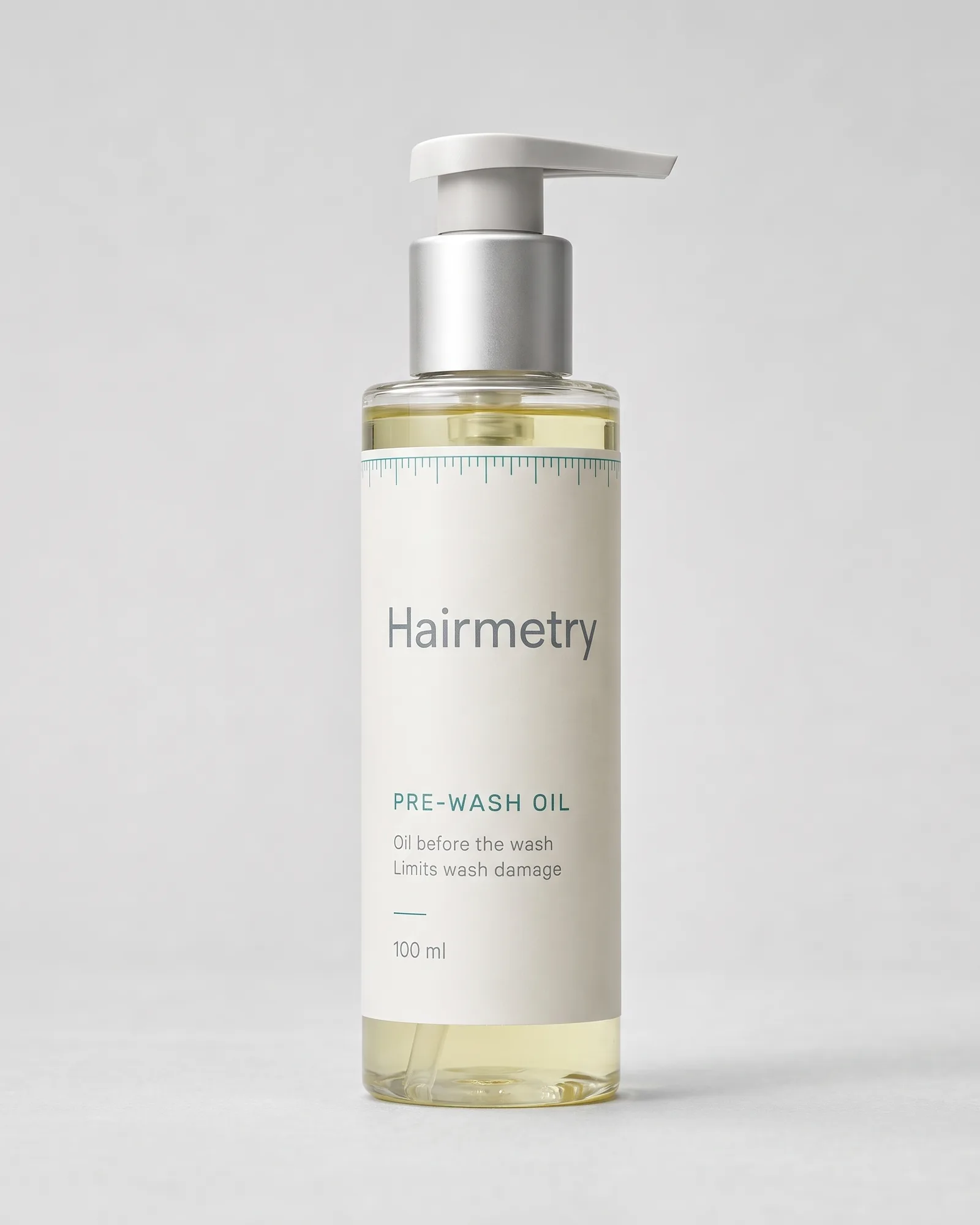
Concept render, product in development
In development · not for sale yet
Hairmetry
Pre-wash Oil 100 ml
Oil before the wash, to help limit wash damage
- straight hair
- wavy hair
- curly hair
- coily hair
- dry scalp
- balanced scalp
- dryness
- breakage
- chemical damage
Free tester with 2 or more products. Checkout opens at launch.
Prices are set at launch.
- How often
- Before one or two washes a week
- You notice it
- From the first use
- Every key ingredient links to a study
- No fragrance
Why it works
-
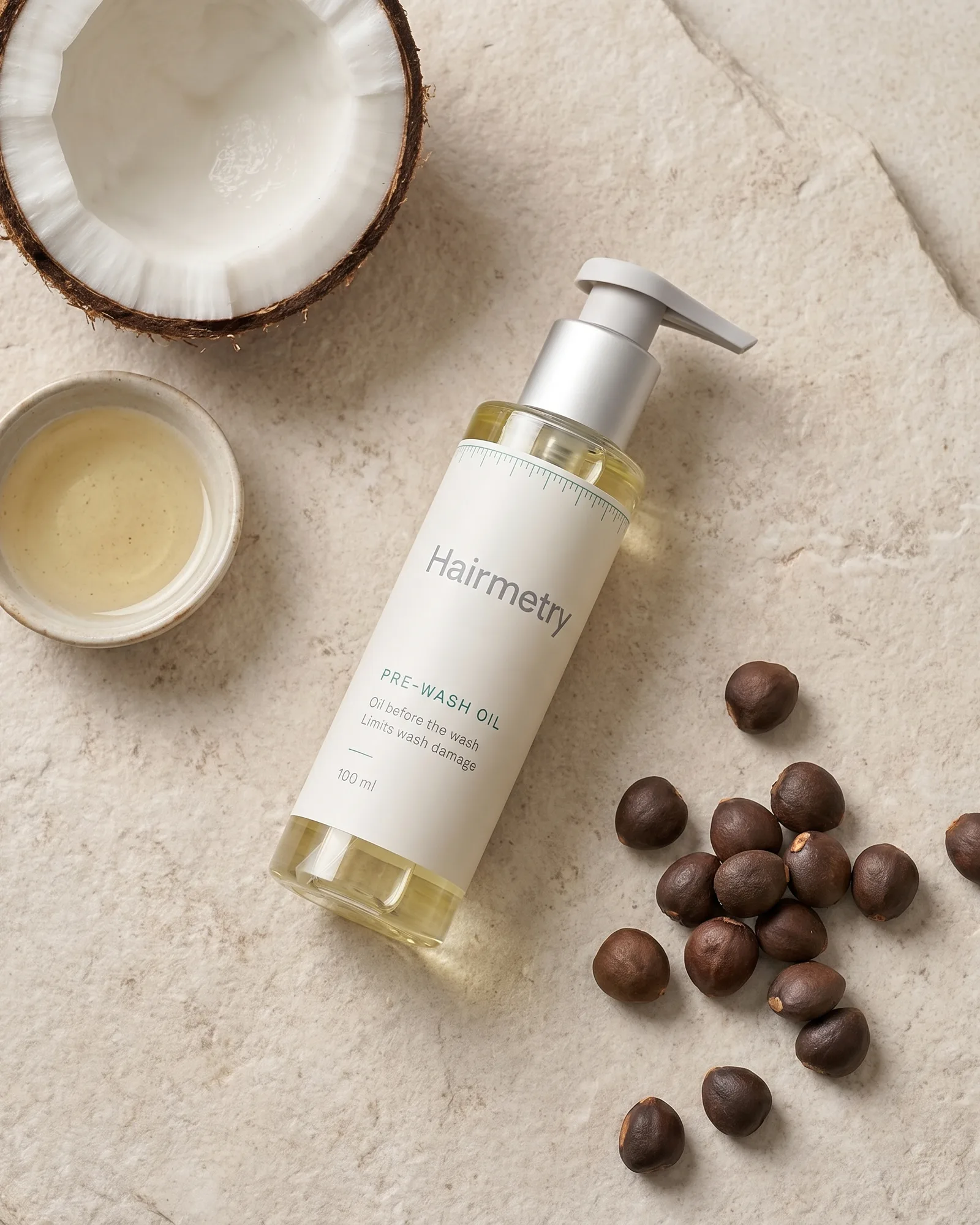
Coconut oil
Used before washing, a coconut-based oil blocked the extra pores that shampooing opens in hair and reversed the strength loss. Industry study on cut hair.
-
Camellia seed oil
Entered the lipid-rich cement between hair cells and raised single-fibre fatigue strength in a Procter and Gamble study.
-
Safflower seed oil
Tested in the same study: it also entered hair and raised fatigue strength. Shorter, unsaturated fats entered best.
-
Argan oil
Applied before oxidative damage, it cut protein loss in a small lab study. Argan oil allergy has been reported.
-
Tocopherol (vitamin E)
An antioxidant that stops the oils going rancid. Safety reviewers judged it safe as used in cosmetics.
How to use it
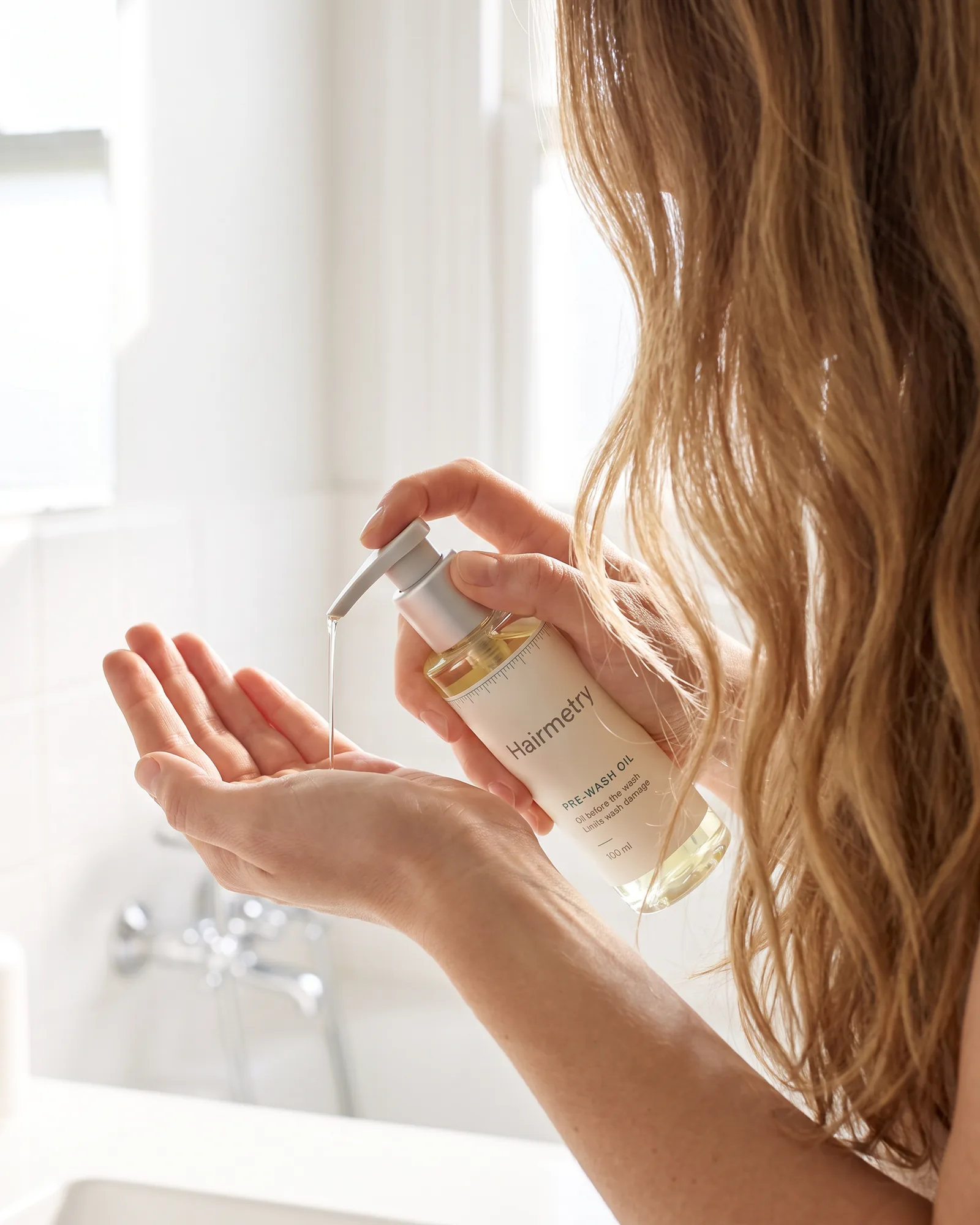
- 1Warm a few drops in your palms. Smooth over dry lengths, not the scalp.
- 2Leave 20 minutes to overnight, then shampoo as usual.
What's not in it
Added fragrance and fragrance allergens
Fragrance is a main cause of contact allergy. In one clinic series, 15.7% of dermatitis patients reacted to a fragrance. Linalool and limonene appear in about half of fragranced products.
Essential oils
Natural does not mean gentle. In 62,354 patch-tested clinic patients, 1.4% reacted to an essential oil alone. Ylang-ylang, sandalwood, jasmine, peppermint and oxidised tea tree oil led.
MI / MCI preservatives
MI drove a rise in contact allergy in Europe. EU banned it from leave-ons in 2017; rinse-off is capped at 15 ppm. About 3 in 100 tested patients react.
Formaldehyde-releasing preservatives
These preservatives slowly release formaldehyde, a known skin allergen. A 2022 clinical review says they still cause dermatitis, sometimes without being listed on the label.
Zinc pyrithione
Banned in EU cosmetics from March 2022 as toxic for reproduction (hazard class). EU experts judged it safe in rinse-off anti-dandruff shampoo up to 1%, but no exemption was granted.
Drying alcohol in leave-ons
In 15 volunteers, strong alcohols lowered skin hydration without breaking the barrier. A mild effect, so a caution for dry or sensitive scalps. Fatty alcohols like cetyl alcohol are fine.
Coal tar
Coal tar can cause folliculitis, irritation and allergy, and contains carcinogens seen in animals and workers (patients show no clear tumour rise). A non-tar shampoo matched it in one trial.
Methyldibromo glutaronitrile
A preservative the EU banned in all cosmetics because allergy kept rising. In Denmark, positive allergy tests fell from 4.6% to 2.6% after the ban.
Full ingredient list (proposed formula)
Cocos Nucifera Oil, Camellia Oleifera Seed Oil, Carthamus Tinctorius Seed Oil, Argania Spinosa Kernel Oil, Tocopherol
A proposed formula for a product in development. Final levels are set by a cosmetic chemist and tested for stability and safety before any sale.
Frequently asked
How often can I use it?
Before one or two washes a week.
Is it right for my hair type?
It is made for straight, wavy, curly, coily hair. The Best for tags at the top list the scalp types and concerns it suits.
When will I notice a difference?
From the first use.
Does it contain fragrance?
No. It has no added fragrance or essential oils, and the full ingredient list is on this page.
Is it medicine?
No. It is a cosmetic that cares for hair and scalp. It does not treat disease. For hair loss, talk to a doctor.
Can I buy it yet?
Not yet. It is in development, so the formula can still change. Checkout opens at launch.
Pre-wash Oil 100 ml
Complete the routine
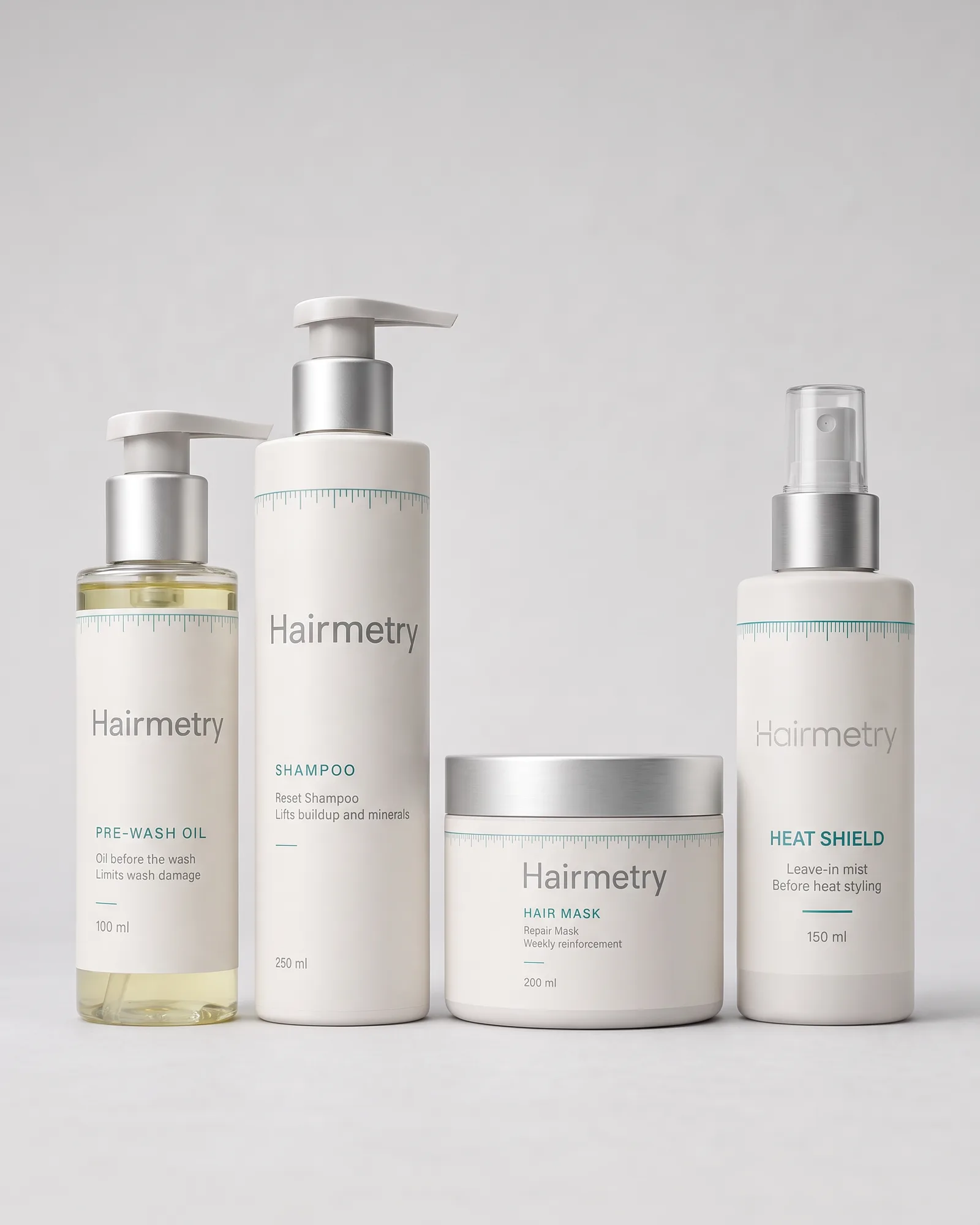
Routine · 4 products
Repair Routine
Pre-wash oil, reset wash, mask and heat protection for worn hair
Oil before the wash, an occasional reset wash, a weekly mask and heat protection before styling.
Save 15% at launch
Sets are cosmetics for hair and scalp. They do not treat disease. For hair loss, talk to a doctor.
Pairs well with
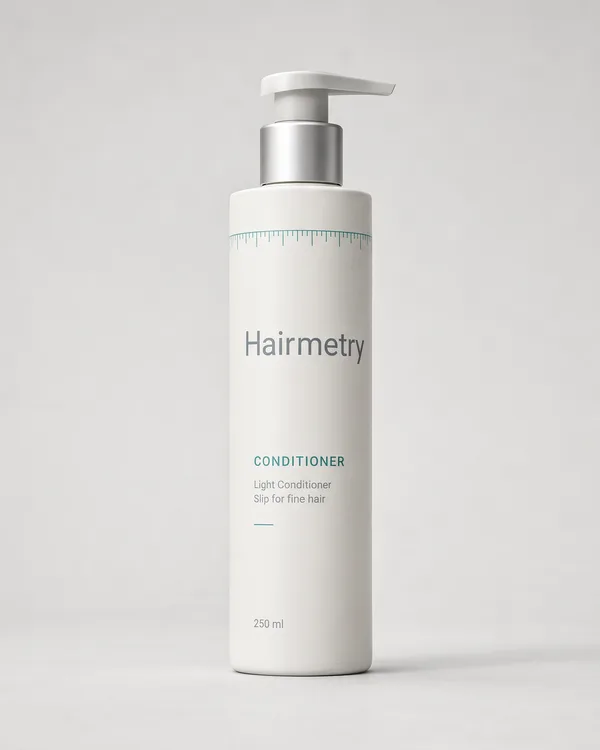
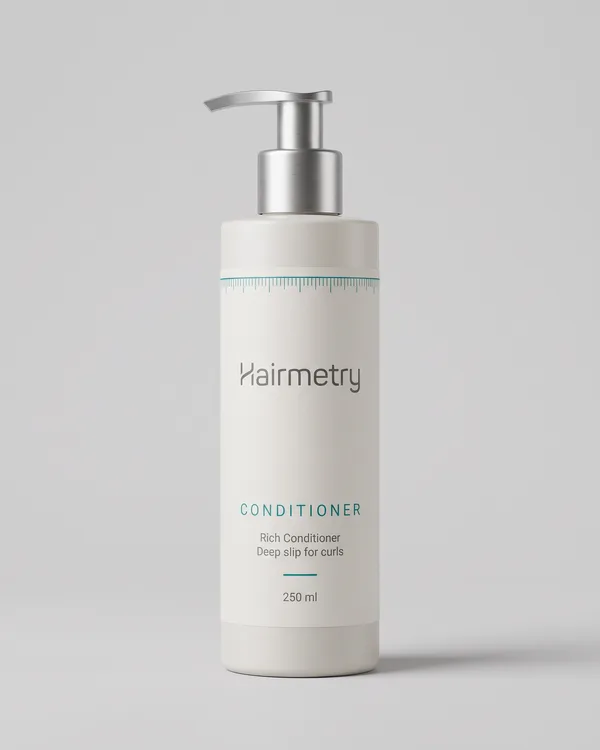
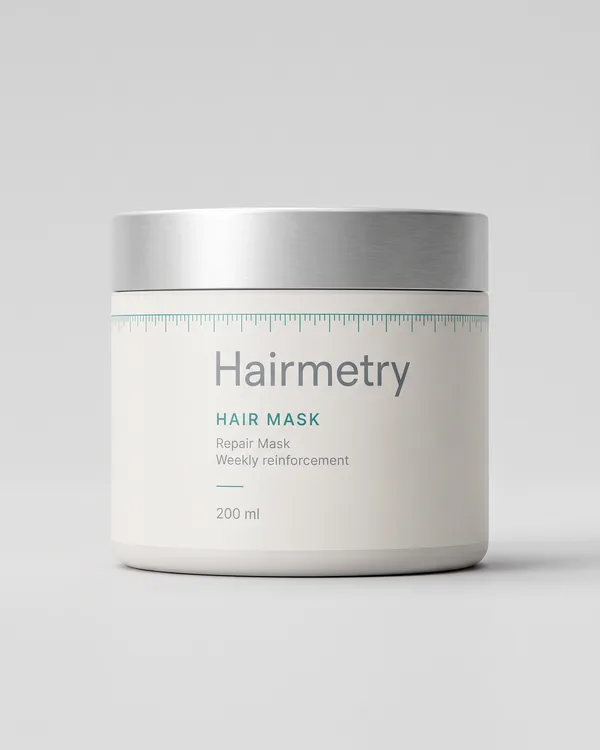
Read more
All studies behind this product (7)
Kaushik V et al. Benefit of coconut-based hair oil via hair porosity quantification. Int J Cosmet Sci. 2022
Result: Repeated surfactant washing raised pore surface area in an industry study; pre-treatment with coconut-based oil limited it.
Read the study ↗Rele AS, Mohile RB. Effect of mineral oil, sunflower oil, and coconut oil on prevention of hair damage. J Cosmet Sci. 2003
Tested: mineral, sunflower and coconut oil
Result: Mineral oil did not reduce protein loss from combing in either undamaged or damaged hair; coconut oil did.
Read the study ↗Ruetsch SB et al. SIMS investigation of penetration of coconut and mineral oils into human hair fibers. J Cosmet Sci. 2001
Tested: coconut oil vs mineral oil
Result: Coconut oil penetrated the hair fibre; mineral oil did not.
Read the study ↗Kaushik V et al. Single hair fiber assessment techniques to discriminate between mineral oil and coconut oil. J Cosmet Dermatol. 2021
Tested: coconut oil vs mineral oil across washes
Result: Coconut oil, not mineral oil, strengthened twisted fibres across washes.
Read the study ↗Marsh JM et al. Penetration of oils into hair. Int J Cosmet Sci. 2024
Tested: pure plant triglyceride oils including coconut, Camellia oleifera and safflower
Result: Several plant oils entered the hair's lipid-rich cement and improved single-fibre fatigue strength; shorter and unsaturated chains penetrated better.
Read the study ↗Sharifi N et al. Argan oil as a pretreatment of human hair before exposure to oxidative damage. J Cosmet Dermatol. 2022
Tested: argan oil pretreatment before oxidative damage
Result: Argan oil pretreatment reduced protein loss after oxidative damage in a small lab study.
Read the study ↗Fiume MM et al. Safety Assessment of Tocopherols and Tocotrienols as Used in Cosmetics. Int J Toxicol. 2018
Result: The Cosmetic Ingredient Review panel judged tocopherols safe as used in cosmetics, where they work as antioxidants.
Read the study ↗