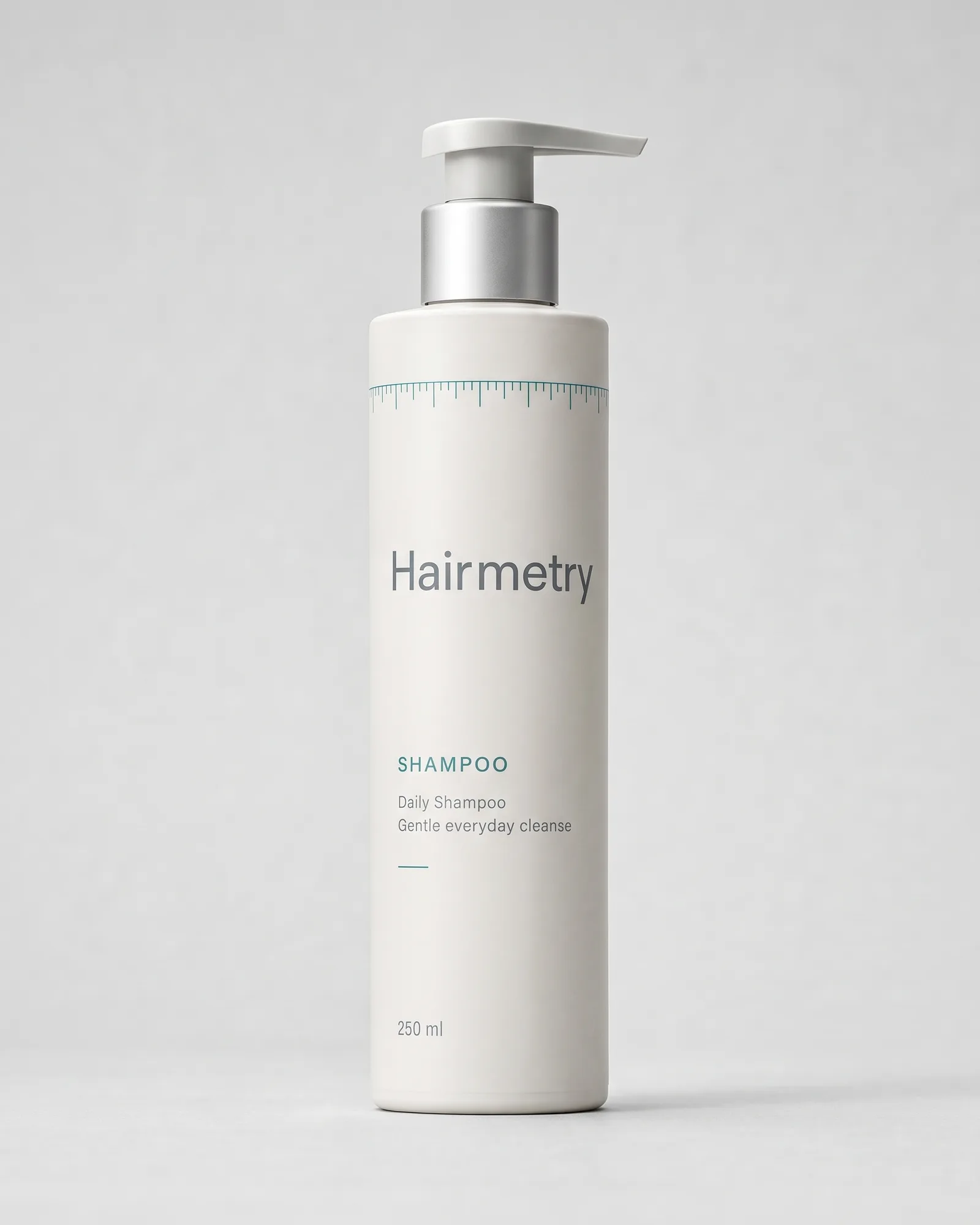
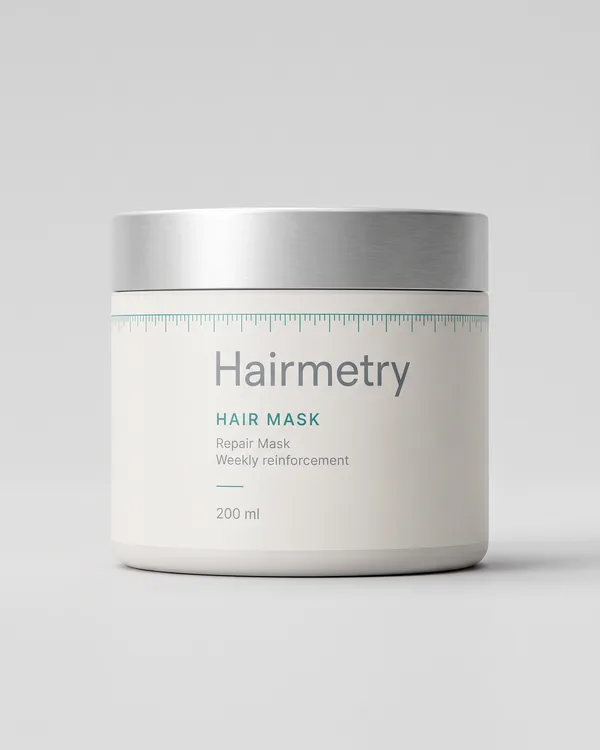
Concept render, product in development
In development · not for sale yet
Hairmetry
Daily Shampoo 250 ml
Gentle everyday cleanse for oily or balanced scalps
- straight hair
- wavy hair
- oily scalp
- balanced scalp
- buildup
- dullness
Free tester with 2 or more products. Checkout opens at launch.
Prices are set at launch.
- How often
- Every 1 to 3 days, as needed
- You notice it
- From the first wash
- Every key ingredient links to a study
- No fragrance
Why it works
-
Sodium lauroyl methyl isethionate (mild cleanser)
Our main cleanser. Its close relative, sodium cocoyl isethionate, forms clusters too big to pass through skin pores in lab tests, a proposed reason for its mildness.
-
Sodium cocoyl glutamate (amino-acid cleanser)
One of the best-tolerated of eight cleansers in a 105-patient patch test. In 15 volunteers, a related glutamate irritated far less than SLS and calmed it when mixed in.
-
Disodium cocoamphodiacetate (soft co-cleanser)
Adds foam and softens the main cleansers. Among the best-tolerated in 105 patients. Cocamidopropyl betaine can cause contact allergy in a small share of people, so we chose this instead.
-
Betaine
A sugar-beet molecule that lowered irritation from two detergents in a 24-hour forearm patch test on 21 people.
-
Panthenol (pro-vitamin B5)
Enters hair and raised its break stress (the pull needed to snap a fibre) in a Procter and Gamble lab test. Judged safe as used in cosmetics.
-
Cationic guar (detangling polymer)
A plant-based polymer that improved combing in shampoo tests. Guar can build up on hair, which is why the Reset Shampoo is in the line.
How to use it
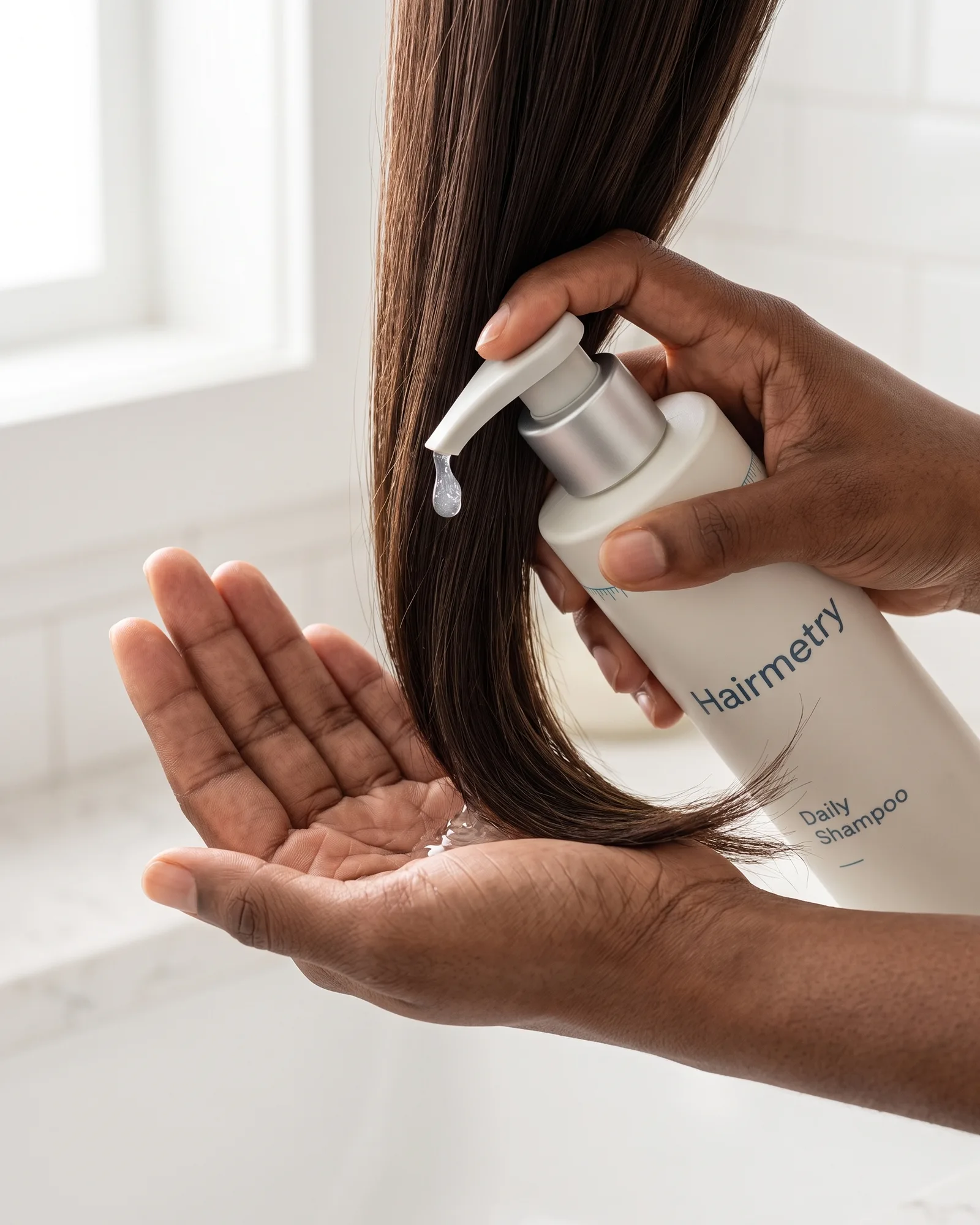
- 1Massage into the scalp, not the lengths. Rinse well.
- 2Let the suds run down the hair; do not scrub the ends.
What's not in it
Added fragrance and fragrance allergens
Fragrance is a main cause of contact allergy. In one clinic series, 15.7% of dermatitis patients reacted to a fragrance. Linalool and limonene appear in about half of fragranced products.
Essential oils
Natural does not mean gentle. In 62,354 patch-tested clinic patients, 1.4% reacted to an essential oil alone. Ylang-ylang, sandalwood, jasmine, peppermint and oxidised tea tree oil led.
MI / MCI preservatives
MI drove a rise in contact allergy in Europe. EU banned it from leave-ons in 2017; rinse-off is capped at 15 ppm. About 3 in 100 tested patients react.
Formaldehyde-releasing preservatives
These preservatives slowly release formaldehyde, a known skin allergen. A 2022 clinical review says they still cause dermatitis, sometimes without being listed on the label.
Zinc pyrithione
Banned in EU cosmetics from March 2022 as toxic for reproduction (hazard class). EU experts judged it safe in rinse-off anti-dandruff shampoo up to 1%, but no exemption was granted.
Harsh sulfates in daily products
SLS is the standard irritant control in skin patch tests. A gentler cleanser, sodium lauroyl glutamate, irritated far less in 15 people. Fine for an occasional deep clean, not daily.
Drying alcohol in leave-ons
In 15 volunteers, strong alcohols lowered skin hydration without breaking the barrier. A mild effect, so a caution for dry or sensitive scalps. Fatty alcohols like cetyl alcohol are fine.
Coal tar
Coal tar can cause folliculitis, irritation and allergy, and contains carcinogens seen in animals and workers (patients show no clear tumour rise). A non-tar shampoo matched it in one trial.
Methyldibromo glutaronitrile
A preservative the EU banned in all cosmetics because allergy kept rising. In Denmark, positive allergy tests fell from 4.6% to 2.6% after the ban.
Full ingredient list (proposed formula)
Aqua, Sodium Lauroyl Methyl Isethionate, Disodium Cocoamphodiacetate, Sodium Cocoyl Glutamate, Glycerin, Betaine, Panthenol, Guar Hydroxypropyltrimonium Chloride, Sodium Chloride, Tetrasodium Glutamate Diacetate, Phenoxyethanol, Ethylhexylglycerin, Citric Acid, Sodium Hydroxide
A proposed formula for a product in development. Final levels are set by a cosmetic chemist and tested for stability and safety before any sale.
Frequently asked
How often can I use it?
Every 1 to 3 days, as needed.
Is it right for my hair type?
It is made for straight, wavy hair. The Best for tags at the top list the scalp types and concerns it suits.
When will I notice a difference?
From the first wash.
Does it contain fragrance?
No. It has no added fragrance or essential oils, and the full ingredient list is on this page.
Is it medicine?
No. It is a cosmetic that cares for hair and scalp. It does not treat disease. For hair loss, talk to a doctor.
Can I buy it yet?
Not yet. It is in development, so the formula can still change. Checkout opens at launch.
Daily Shampoo 250 ml
Complete the routine
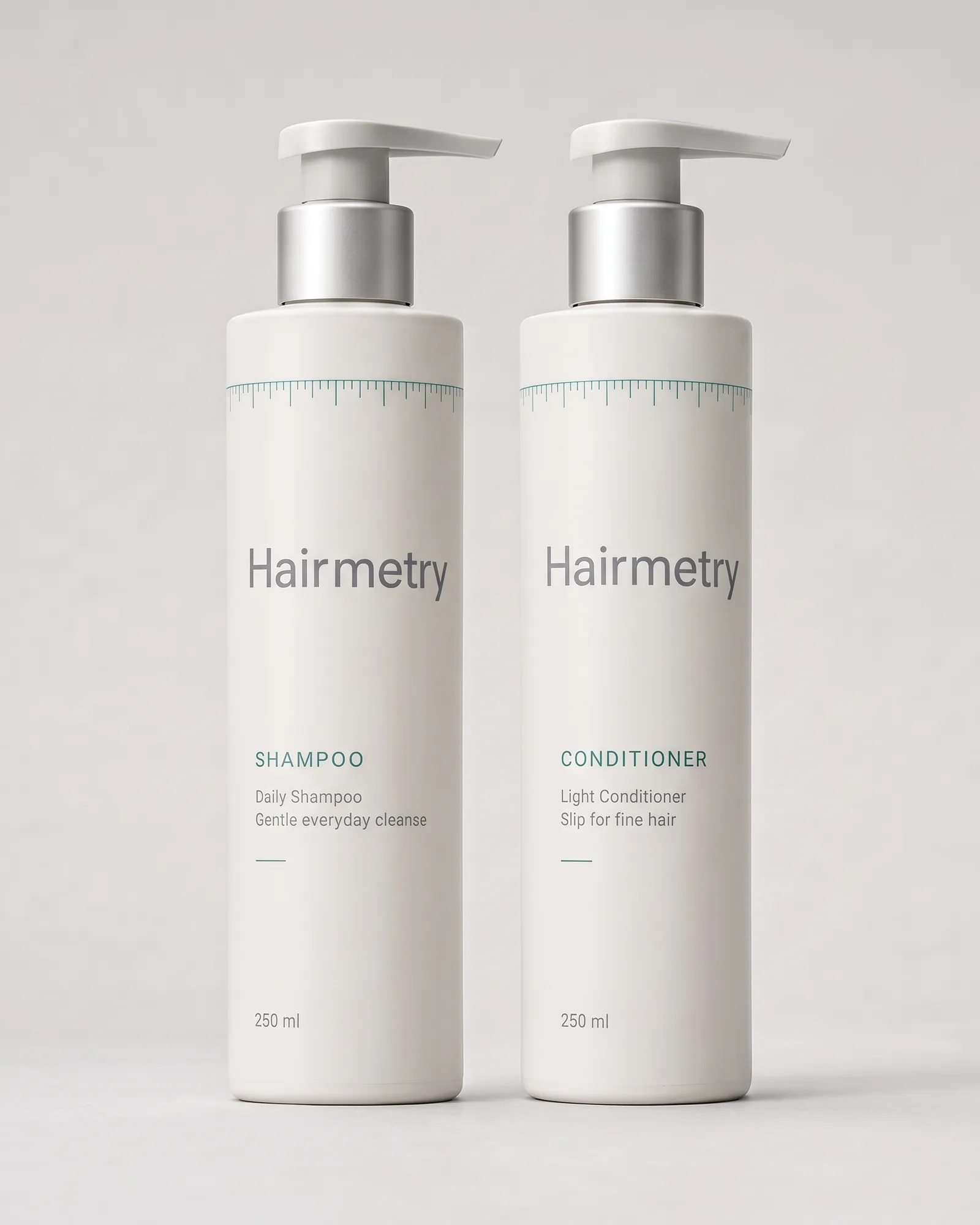
Duo · 2 products
Shower Duo, Light
Daily Shampoo and Light Conditioner for straight and wavy hair
Cleanse the scalp first, then condition the lengths. Both are made for fine to medium hair that goes flat easily.
Save 10% at launch
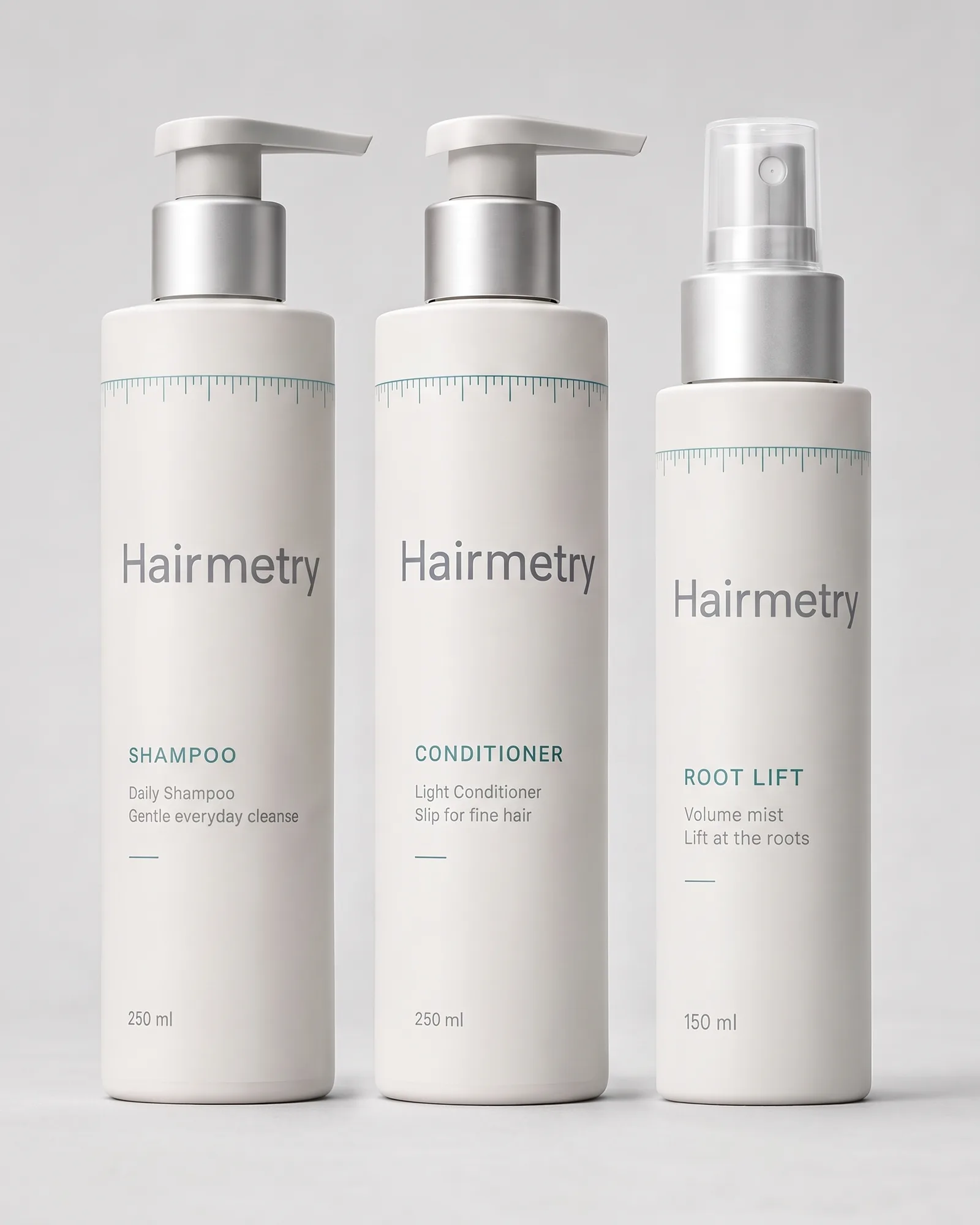
Routine · 3 products
Fuller Look Routine
Shampoo, conditioner and root lift for hair that sits flat
A light wash and conditioner that do not weigh hair down, plus a spray that lifts at the roots.
Save 15% at launch
Sets are cosmetics for hair and scalp. They do not treat disease. For hair loss, talk to a doctor.
Pairs well with
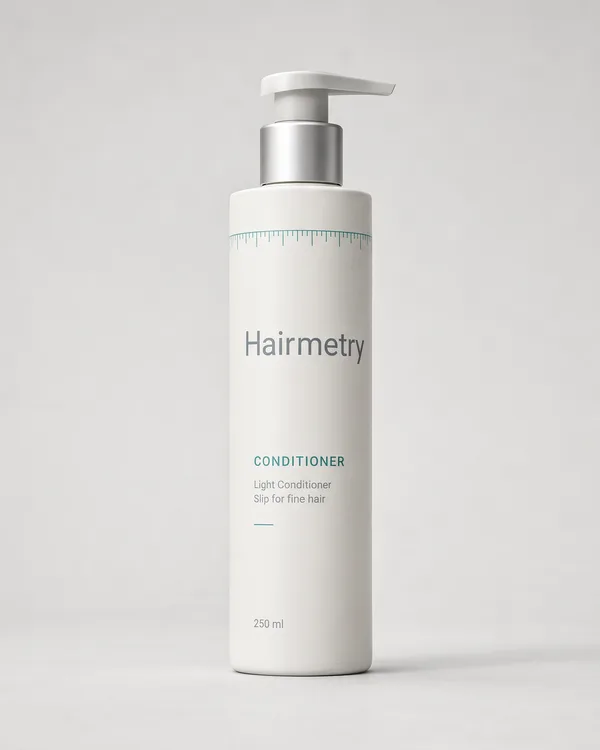
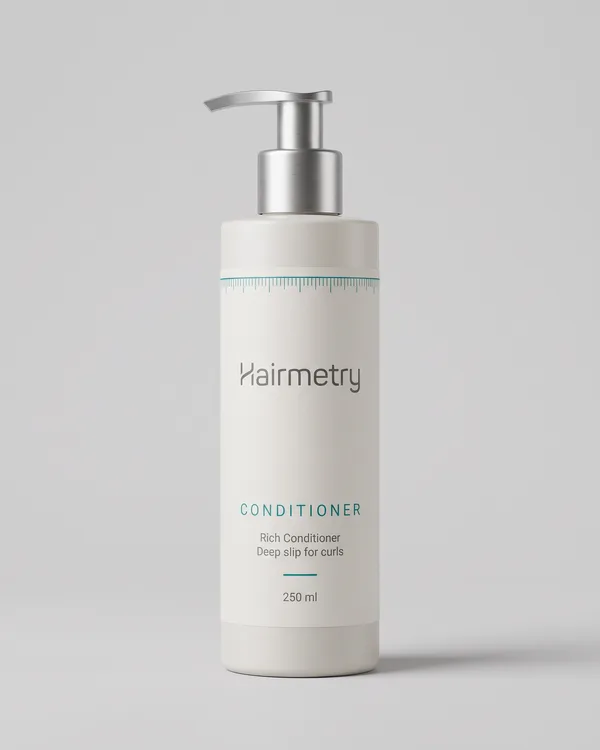
Read more
All studies behind this product (14)
Ghosh S, Blankschtein D. Why is sodium cocoyl isethionate (SCI) mild to the skin barrier? An in vitro investigation based on the relative sizes of the SCI micelles and the skin aqueous pores. J Cosmet Sci. 2007
Result: Sodium cocoyl isethionate forms micelles of about 33.5 angstroms, larger than skin aqueous pores (about 29 angstroms), which the authors proposed explains its mildness.
Read the study ↗Cornwell PA. A review of shampoo surfactant technology: consumer benefits, raw materials and recent developments. Int J Cosmet Sci. 2018
Result: Surfactants give cleansing, foam, mildness and a way to deposit benefit agents. The review explains how to blend them and covers greener, sulfate-free systems.
Read the study ↗Corazza M et al. Irritant and sensitizing potential of eight surfactants commonly used in skin cleansers: an evaluation of 105 patients. Dermatitis. 2010
Tested: eight cleansing surfactants
Result: None caused irritation at the tested dilution; best tolerated were sodium cocoyl glutamate, sodium lauroyl oat amino acids and disodium cocoamphodiacetate.
Read the study ↗Lee CH, Kawasaki Y, Maibach HI. Effect of surfactant mixtures on irritant contact dermatitis potential in man: sodium lauroyl glutamate and sodium lauryl sulphate. Contact Dermatitis. 1994
Tested: sodium lauroyl glutamate, SLS, and mixtures
Result: Sodium lauroyl glutamate was much less irritating than SLS, and mixing it into SLS reduced SLS irritation.
Read the study ↗Iijima S et al. Analysis of patch testing with cocamidopropyl betaine and its impurities in patients with intractable scalp dermatitis in a single clinic in Japan. 2023
Result: 78% of their own detergents tested positive; 50% reacted to DMAPA, a lauramidopropyl dimethylamine impurity, or both.
Read the study ↗Nicander I, Rantanen I, Rozell BL, Söderling E, Ollmar S. The ability of betaine to reduce the irritating effects of detergents assessed visually, histologically and by bioengineering methods. Skin Res Technol. 2003
Tested: sodium lauryl sulfate or cocamidopropyl betaine with and without betaine
Result: Adding betaine lowered the irritant reaction to both detergents. Short patch test on forearm skin, not a shampoo trial.
Read the study ↗Marsh JM et al. Strengthening benefits of panthenol for hair: mechanistic evidence from advanced spectroscopic techniques. Int J Cosmet Sci. 2026
Result: Labelled panthenol penetrated into cortical protein regions and raised break stress and elastic modulus, probably through hydrogen bonding.
Read the study ↗Scott LN, Fiume M, Bergfeld WF et al. Safety assessment of panthenol, pantothenic acid, and derivatives as used in cosmetics. Int J Toxicol. 2022
Result: The Cosmetic Ingredient Review panel judged panthenol and pantothenic acid safe as used in cosmetics, where they act as hair conditioners and humectants.
Read the study ↗Hossel P et al. Conditioning polymers in today's shampoo formulations: efficacy, mechanism and test methods. Int J Cosmet Sci. 2000
Result: Polyquaternium-7, polyquaternium-10 and cationic guar all improved combing, but differed in build-up and removability.
Read the study ↗López-Sucilla GA, Bernal-Chávez SA. Influence of anionic surfactants on coacervation with cationic guar gum for hair care applications. Int J Cosmet Sci. 2026
Tested: cationic guar gum with sodium lauroyl sarcosinate, sodium cocoyl isethionate and other anionic surfactants
Result: Stable guar coacervates (the films that carry conditioning onto hair) formed best at about equal parts guar and surfactant, and gave even coverage on damaged hair. Excess surfactant weakened deposition.
Read the study ↗Gavazzoni Dias MF et al. The Shampoo pH can Affect the Hair: Myth or Reality? Int J Trichology. 2014
Result: 38% were at or below pH 5.5 and 62% above; 81% of 26 anti-dandruff shampoos and all children's shampoos were above 5.5 (range 3.5-9.0). Alkaline pH may raise fibre charge, friction and cuticle damage; a measurement and mechanism review, not a wear trial.
Read the study ↗Becker LC, Bergfeld WF, Belsito DV et al. Safety assessment of glycerin as used in cosmetics. Int J Toxicol. 2019
Result: The Cosmetic Ingredient Review panel judged glycerin safe as used in cosmetics, where it acts as a humectant and hair conditioner.
Read the study ↗Burnett CL, Bergfeld WF, Belsito DV et al. Safety assessment of tetrasodium glutamate diacetate and beta-alanine diacetic acid as used in cosmetics. Int J Toxicol. 2025
Result: The Cosmetic Ingredient Review panel judged tetrasodium glutamate diacetate (GLDA), a chelator that binds metal ions, safe as used in cosmetics.
Read the study ↗Dréno B, Zuberbier T, Gelmetti C, Gontijo G, Marinovich M. Safety review of phenoxyethanol when used as a preservative in cosmetics. J Eur Acad Dermatol Venereol. 2019
Result: Phenoxyethanol is a rare sensitizer with only a weak effect on skin's own microbes. EU experts judge it safe for all consumers, children included, at up to 1% as a preservative.
Read the study ↗